Participating in the design and build of a new archive facility can be a dream assignment for any archivist. While it’s a tremendous opportunity, it can also be a daunting one, especially when it comes to ensuring that history will be accurately preserved. Attention to detail is paramount.
The IQ Quattro scanner used in this story has since been succeeded by IQ Quattro X, and Nextimage by Nextimage 7.
The right room climate, counter space, and scanning technologies were must-haves for the University Archives at Texas A&M University-Central Texas. A Contex IQ Quattro and an IQ FLEX scanner ensure that the finest details of varied materials can be easily digitized. Capturing high-quality images the first time around is important, especially when material is on loan. The finest details are picked up in delicate documents, books, and framed photos. With the Contex solutions, staffers have boosted their scanning productivity by 50%.
“Other scanners we used don’t offer nearly as many features as the Contex solution.”
Victoria Eastes, University Archivist, Texas A&M University-Central Texas
Background
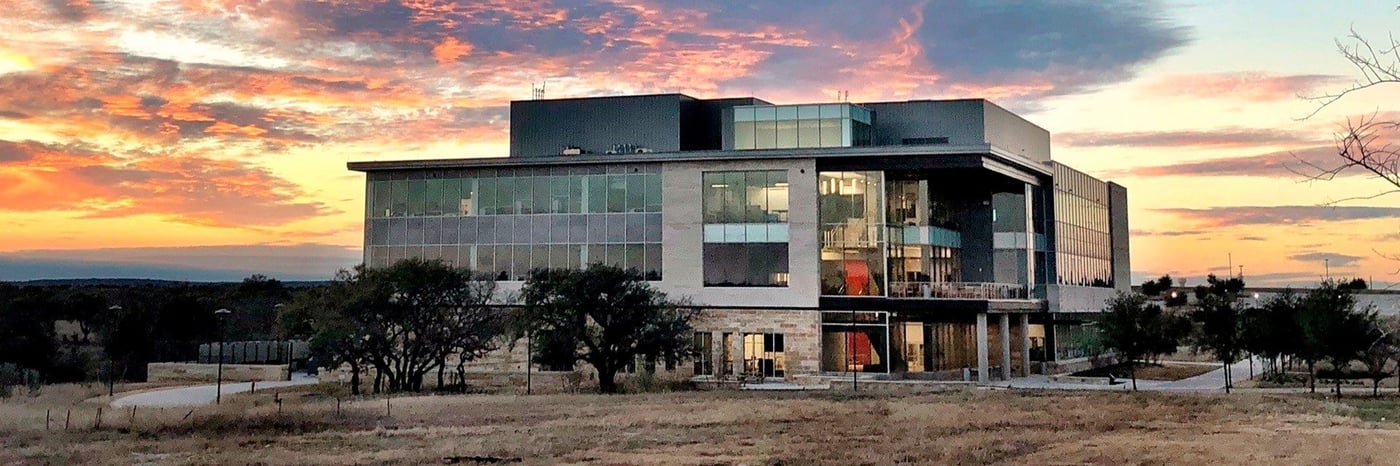
History is being preserved at Texas A&M University-Central Texas (A&M-Central Texas) like never before. The University recently celebrated the opening of its newest building on campus, Beck Family Heritage Hall, home to a pristine, state-of-the-art University Archives with unique collections that are making historians and the local community clamor for more.
Challenge: Designing an archive facility
It was an opportunity of a lifetime. The University was given the chance to create the most advanced archiving facility to continue its nine-year mission of capturing A&M-Central Texas’ academic, community, and military history.
During the building’s initial design phase, the architect wisely asked the University Archivist, Vicky Eastes, “If you could have anything you want in the space, what would it be?”
Eastes’ answer was simple: the biggest scanner possible.
The rest is history, preserved in high resolution.
Solution: Star Trek reimagined
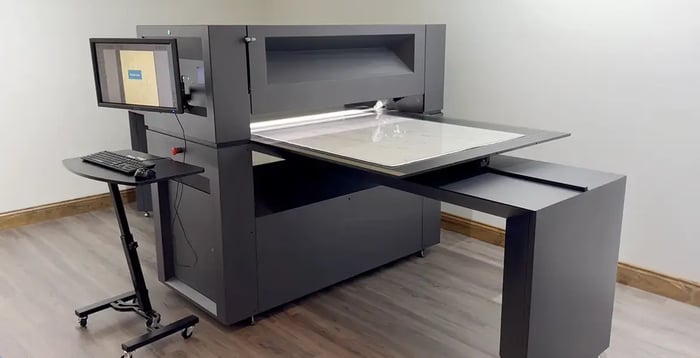
In January 2019, A&M-Central Texas installed a Contex IQ Quattro and an IQ FLEX scanner with Nextimage scanning software.
The archive rooms are kept at 62 degrees Fahrenheit, and the futuristic-looking space, with its white walls and expansive counter space, gives staffers ideal conditions for immortalizing local heroes and legends. The archive includes papers from General Shoemaker’s personal collection, as well as census books from the oldest church in Texas, dating from 1890–1910.
The archive also boasts the Colodny Collection, consisting of nearly 500,000 documents, including newly declassified documents and other materials collected on the Nixon Administration and the Watergate scandal by the author Len Colodny.
Community day scanning
As the community became aware of the University Archives’ new scanning technologies, collections were offered for archiving, such as the valuable work of famed photographer John Mercer. Mercer produced aerial photography of one of the largest Army military bases, Fort Hood in Killeen, Texas, as it was being built in the 1960s.
To encourage more people to bring in their collections, Eastes plans to offer a community scanning day.
Results: Scanning made easy
Contex scanners take the guesswork out of scanning-to-archive. Eastes comments, “I really like that Nextimage lets me do everything I need to get a perfect scan. I don’t have to open another app to edit the file since the majority of the manipulations can be done right there. This cuts down on the time per file.”
The Contex scanning solutions with Nextimage help the A&M-Central Texas archive team boost scanning productivity by 50%. This allows the team to focus on growing its collection, with the confidence that every scanned image is the highest quality available in the market today.
“The Contex scanners are very easy to use. The scanning software is very intuitive and cuts down our production time.”
Victoria Eastes, University Archivist, Texas A&M University-Central Texas
Want to know more?